AI & Automation
9 min readAI automation for estate agents: leads and admin to fix first
AI automation for estate agents works best between a Rightmove or Zoopla enquiry and a booked viewing. Here is what to switch on first and what stays with a person.
AI automation for estate agents earns its keep in the gap between a portal enquiry and a viewing in the diary. That gap is where leads go cold: an enquiry sits unanswered over a weekend, a negotiator spends twenty minutes on a call that was never going to convert, and a viewing gets moved three times by text. This guide follows that path step by step, shows what software can safely take on, and names what should stay with a person.
What AI can answer instantly when a Rightmove or Zoopla lead arrives
An AI messaging tool can reply to a portal enquiry within seconds, at any hour. AI Automate Company describes a chatbot trained on an agency's actual listings that answers common questions, captures buyer or tenant details and flags serious interest to the team. That training matters. A bot that only knows the listing text can say what the listing says. A bot working from general knowledge will invent things, such as parking, pet policy or whether the bills are included.
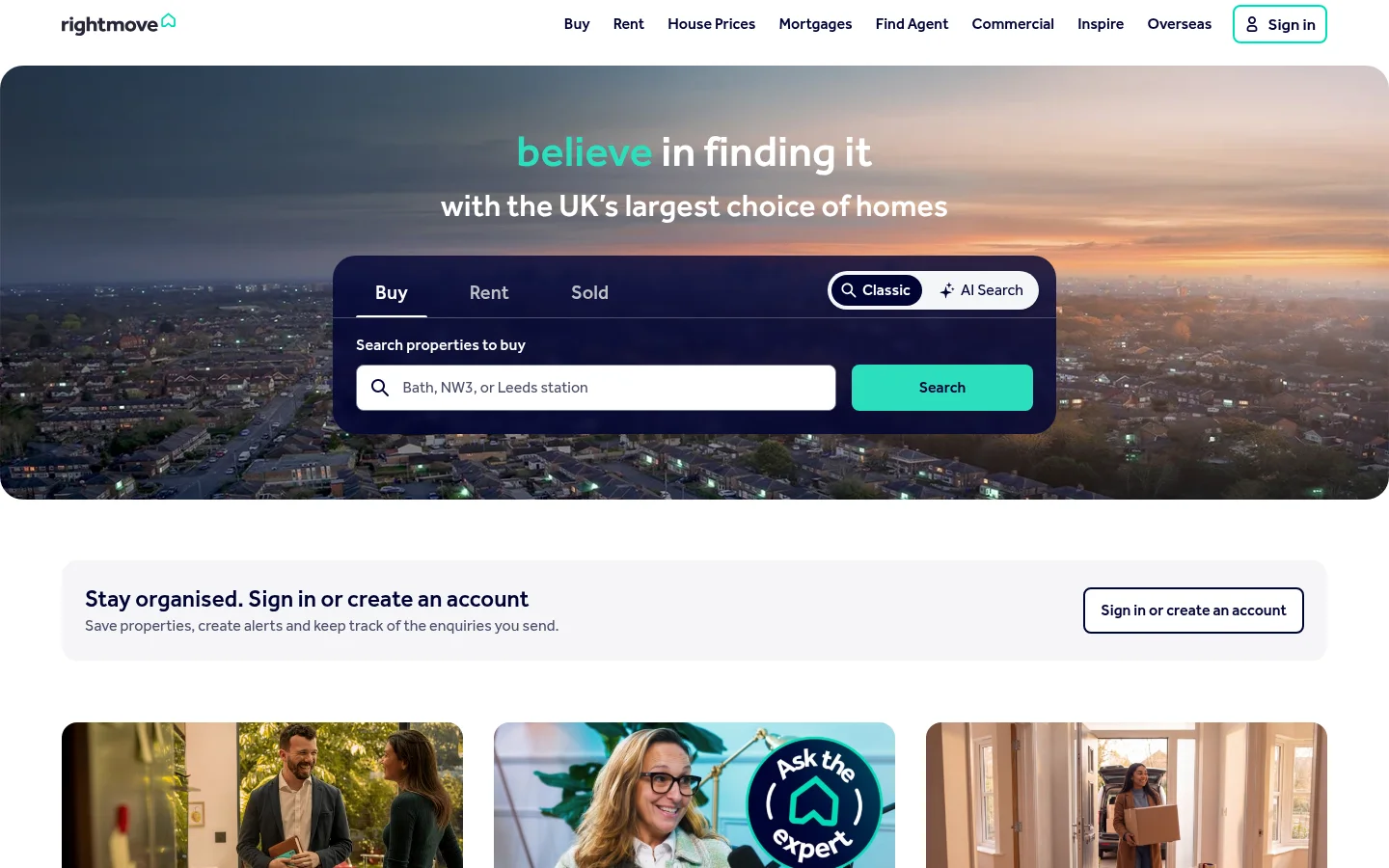
The reply should do three jobs. It confirms the property is available, answers the question asked using the listing, and asks one qualifying question. Anything it cannot answer from the listing goes to a negotiator with the full enquiry attached. Set a hard rule that the bot never confirms availability it cannot see live, never quotes a price that could move, and never comments on service charges or condition unless the listing states them.
Connect the tool to the CRM and portal inbox you already use. AI Automate Company's approach is to connect and automate around existing CRM, Rightmove, Zoopla and referencing accounts rather than replace them. Check the portal's terms before you connect anything, because they set out what automated messaging is allowed.
From portal enquiry to the negotiator's inbox
Capture
Rightmove or Zoopla enquiry arrivesChatbot trained on your actual listingsAnswer and qualify
Answers common questions from listing contentCaptures buyer or tenant detailsRoute
Flags serious interest to the teamOut-of-hours and anything else goes to a personQualifying budget, timing and intent without losing serious applicants
Ask for budget, timing and intent, but in an order that does not feel like a form. Ask what they are looking for and when they need to move first. Budget can come second, and it can be optional. A tenant who skips it still gets a viewing offer, and the negotiator sees the gap.
Lead scoring is where AI earns its place. AI Bridge Club notes that automation can score leads and track engagement. A simple rule might rank a tenant with a move-in date within four weeks and a budget that matches the listing as high priority. Someone who only asks whether the flat is still available scores low and goes into a light follow-up sequence. Scoring should send people to a human faster. It should never quietly bin them.
Voice is worth a look for out-of-hours calls. Instinctools describes an AI voice agent that answers inbound calls, asks basic qualification questions, captures budget and timeline, transcribes the conversation and triggers follow-up when no agent is free. Keep the questions to budget, timing and what the applicant wants. Do not ask about family status, nationality or anything else that could screen people out on grounds the law protects. Have your compliance person review the script before it goes live.
Booking and confirming viewings, and handling reschedules
This is one of the safest places to start. Offer slots from the negotiator's real diary through a booking link, then send a confirmation with the address, time, parking details and a contact number. Send a reminder the day before and another two hours ahead. A same-day follow-up for anyone who doesn't show costs almost nothing and recovers some viewings.
Reschedules need a line. The first move can be automated: the applicant taps for alternative slots and the diary updates. From the second change, or whenever someone sounds unhappy, hand the conversation to a person. A tenant who has moved a viewing twice and is now frustrated needs a phone call, not a fourth text.
Vendor and landlord viewings deserve a human confirmation even when the applicant side is automated. The property is worth more to the vendor, and a quiet mistake there costs more than a missed reminder.
Booking a viewing without the back and forth
- 1
Offer real slots
Pull open times from the negotiator's live diary through a booking link.
- 2
Confirm straight away
Send the address, time, parking details and a contact number.
- 3
Remind the day before
A short message with the same details, so the no-show risk drops.
- 4
Remind two hours ahead
A final nudge that also lets people reschedule with one reply.
- 5
Follow up same day if they don't show
A quick message offering another slot, sent while the lead is still warm.
Chasing referencing and applicant documents without manual reminders
Referencing is where negotiators lose hours to chasing. A typical chase needs payslips, an employer reference, a previous landlord reference and photo ID, and each one needs a nudge. Automate the reminder sequence: a request on day one, a reminder on day three, a clearer one on day six, then a call from a person. Blue Llama notes that registering applicants, arranging viewings, sending follow-ups and doing compliance take up hours each week and pull negotiators away from sales. Reminders are the cheapest of those hours to automate.
Where your referencing account shows status, check it before a reminder goes out. Nothing annoys an applicant more than being chased for a document they uploaded yesterday. Be careful with the judgement itself. Estate agents must run anti-money laundering checks on buyers and sellers under the Money Laundering Regulations 2017, and whether a reference passes or a check is complete is a decision for a named person. The software can collect and chase. It should not decide.
What the referencing chase needs from each applicant
Sending vendor and landlord updates after each viewing
Vendor and landlord updates eat evenings. A workable setup works like this. The negotiator leaves a short voice note after the viewing. The tool transcribes it and drafts a summary: who viewed, what they said, the likely next step. The draft goes to the negotiator for approval, then to the vendor or landlord. Nothing sends unreviewed.
That approval step is not optional. AI Bridge Club and others describe AI as a way to support professional judgement, not replace it. A raw transcript can include an unkind remark about the flat or an offer the vendor should hear from you first. The YouTube video from Everyday AI Automation makes a related point: AI-generated property details must be checked, and agents must follow fair housing and brokerage rules. Apply the same discipline to UK listings and feedback.
AI automation for estate agents: what to switch on in the first month
Don't switch everything on at once. The team needs to trust the replies, and you need a baseline to measure against.
- Week one: instant reply to portal enquiries, answering only from listing content, with out-of-hours routing to a person for anything else.
- Week two: booking links, viewing confirmations and reminders from the live diary.
- Week three: referencing and document reminders, after checking your provider's status feed.
- Week four: draft vendor and landlord summaries, with negotiator approval before sending.
- Later, once replies are trusted: lead scoring, nurture sequences for slow buyers, and voice for missed calls.
The table shows where the line sits for each task.
| Task | Automate in month one? | Keep with a person |
|---|---|---|
| First reply to a portal enquiry | Yes, answering from listing content only | Anything the listing does not cover |
| Budget and timing questions | Yes, optional and in order | Judging whether someone can afford a property |
| Viewing confirmations and reminders | Yes | Second or later reschedules |
| Referencing and document chasers | Yes, reminders only | Pass or fail decisions, AML and right to rent checks |
| Vendor and landlord updates | Drafts only | Sending feedback unedited |
| Pricing, offers and negotiation | No | Always a person |
| Complaints and distressed applicants | No, route straight to a person | Always a person |
What must stay with a person
Pricing, offers and negotiation stay with people. So does any question about whether a valuation is right, and any conversation about whether a vendor should drop their price. These depend on local knowledge, the vendor's circumstances and the negotiator's read of the room.
Complaints stay with people, and so do vulnerable applicants. If someone mentions bereavement, money trouble, a disability, a language barrier or domestic difficulty, the bot should stop and hand over to a named person, with a note that the conversation needs care. Compliance judgement stays with people too: AML checks, right to rent, and any decision to accept or refuse an applicant.
Data protection needs attention before anything goes live. Applicant details are personal data under UK GDPR. Find out where the tool stores them, who the supplier is, how long records are kept and who can read them. Our article on AI data protection for UK small businesses covers the first steps.
Is it worth it for a small agency? Costs, risks and how to measure
The honest answer is that it depends on your volume. A branch that gets a few enquiries a week will see little benefit from a bot. A team handling a steady flow of portal leads, lettings referencing and vendor updates will feel it quickly. We don't have a reliable cost figure for estate agency setups, so we won't give you one. The price depends on how many enquiries you get, how many people you have, how clean your CRM is, and how much custom set-up the tools need. For reference, our AI Systems and Automation service is listed from $499, with a build time of one to three weeks, but the final scope sets the price.
The risks are real. A bot that answers wrongly about a property can create a complaint. Applicants who feel fobbed off by a machine will leave. Poor data handling can breach UK GDPR. And a tool that doesn't fit your CRM creates more admin, not less. Our piece on common AI automation mistakes lists the usual errors.
Measure before and after. Spend two weeks logging the baseline, then track:
- Minutes from portal enquiry to first reply, using the average and the worst case.
- No-show rate for booked viewings.
- Days from referencing request to complete file.
- Negotiator hours spent on admin each week, logged rather than guessed.
- Complaints that mention the automated messages.
Worked example: hours saved per month (made-up numbers)
These numbers are made up to show the method. They are not from a real agency.
Inputs:
- Portal enquiries per month: 150
- Admin time per enquiry (reply, qualify, log): 4 minutes
- Share of that admin the automation takes over: 60%
- Loaded cost of negotiator time: £20 an hour
Sum, line by line:
- Total admin time: 150 × 4 = 600 minutes, which is 10 hours.
- Hours taken over: 10 × 60% = 6 hours a month.
- Value of that time: 6 × £20 = £120 a month.
At those numbers, time saved alone may not cover the cost of the tools. The case rests on two other things: faster first replies, which you would track as response time, and more viewings booked per enquiry. Measure those separately, or you will judge the project on the wrong number.
Where to start
- Pick the first reply and the viewing booking as your month-one scope.
- Check your portal terms and your referencing provider's status feed.
- Ask your compliance person to review the qualifying questions and any AML or right to rent steps.
- Set the hand-off rules in writing: who takes complaints, pricing questions and vulnerable applicants, and how fast.
If you want a fixed view of where AI fits in your branch before you spend anything, get a free AI plan. If you'd rather talk it through with someone who has built these workflows, book a call and we'll go through your enquiry-to-viewing path step by step.
Sources
See it in practice

Built by Pensact
Go Way · A ride-hailing app for Egypt where riders pick the offer that suits them, across car, scooter or tuk-tuk. We built its systems and CRM.
Questions people ask
How can an estate agent use AI to answer enquiries?
Connect an AI messaging tool to your CRM and portal inbox, and train it on your live listings. It should confirm availability, answer questions the listing covers, ask one or two qualifying questions and hand anything else to a negotiator with the enquiry attached. Keep pricing, complaints and compliance questions with a person.
What admin should a letting agency automate?
Start with viewing confirmations and reminders, then document chasers for referencing, using a set reminder sequence. Vendor and landlord updates can be drafted automatically, but a negotiator should approve each one before it is sent. Leave pass or fail decisions and right to rent or AML checks with a named person.
Is AI automation worth it for a small estate agency?
It depends on your enquiry volume and how much admin your team carries. A small branch with few enquiries may see little benefit, while a busy team handling portal leads and referencing will feel it sooner. Measure response time, viewings booked per 100 enquiries and negotiator admin hours for two weeks before you start, then compare.
Which tasks should always be handled by a person rather than an AI tool?
Pricing, offers and negotiation should always sit with a person, along with complaints and any applicant who seems vulnerable. Compliance judgement also needs a person, including anti-money laundering checks, right to rent decisions and any decision to accept or refuse an applicant. Route these conversations to someone quickly, with a note about what was said.
Keep reading
AI automation for tradespeople: quotes, jobs and invoices
Most trade admin leaks between the first call and the paid invoice. Here is which steps AI can run and which ones you should keep.
Noah Hany · 11 Nov 2026
Can AI bring small business customers? An honest answer
Can AI bring small business customers? It saves admin time well. Finding new customers needs strategy, reviews and local search behind it.
Noah Hany · 11 Nov 2026
AI automation agency Saudi Arabia: what to check first
Directories list plenty of AI automation agencies in Saudi Arabia but say little about choosing one. This checklist covers Arabic support, data rules, sector fit, riyal pricing and a pilot test.
Noah Hany · 10 Nov 2026