News
5 min readAI tools for solo business owners: what you actually need
A short, affordable AI stack for a one-person business, what to leave out, and when bringing in an agency is worth the money.
AI tools for solo business owners are easy to find and hard to choose, because most of the lists are written to sell you something. If you run a business with no staff, you need a short stack that saves hours every week, a clear idea of what to leave out, and a straight answer on when to pay someone else to build it.
Why a no-employee business is starting with AI now
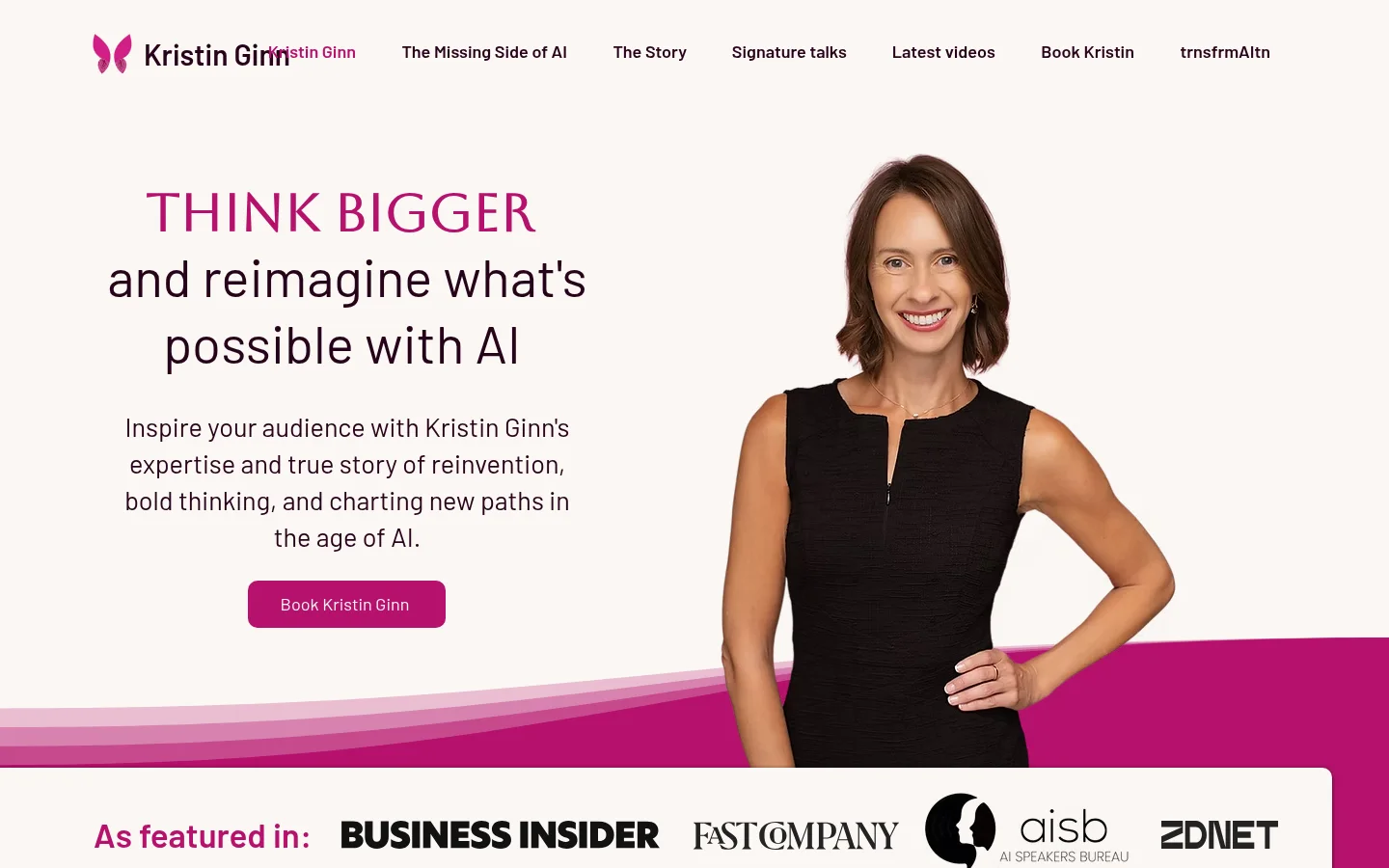
CNBC reported in November 2026 that more businesses are starting with no employees at all. Its example is Kristin Ginn, who left Microsoft earlier in 2026 to start trnsfrmAItn, an AI-adoption consultancy with no employees or contractors. She uses AI for proposals, pricing and strategy (CNBC).
That is the pattern: one person, a few tools, and work that gets done without hiring. The question is which tools earn their place.
The core four AI tools for solo business owners
A workable stack covers four jobs: a chat model to think and write, a workspace to hold your notes and templates, automation to move information between apps, and a CRM to track the people you are selling to. Storyflow's 2026 list names ChatGPT, Claude and Notion AI as the core picks for solopreneurs (Storyflow). Storyflow also sells two of the tools on that same list, so treat its ranking as a starting point, not a verdict.
One chat model
Choose one. ChatGPT Plus is $20 a month, and one YouTube presenter advises picking one chatbot rather than three (YouTube). Storyflow lists both ChatGPT and Claude at Free or $20 a month (Storyflow). Use the one you already find useful, test it for two weeks, and only then consider a second.
One workspace with AI
Notion AI is listed by Storyflow at Free, with AI as a $10 a month add-on (Storyflow). Use it for your standard proposals, client notes and process documents. AI drafts best when it works from your own material.
Automation glue
Zapier is the tool a Reddit commenter in r/Entrepreneur recommends for connecting apps and automating workflows (Reddit). That is one person's view, not a test, but the job is real. A new enquiry form can create a CRM contact and a draft reply with no copying and pasting.
A free CRM
The same Reddit thread recommends HubSpot's free CRM for lead tracking. Start free. Move to a paid plan only when you hit a limit you can name.
Four jobs, four tool types
Jobs
Think and writeHold notes and templatesMove information between appsTrack the people you sell toTool types
Chat modelWorkspaceAutomationCRMWhat AI can do in a typical week
Hand AI the work that has a clear shape: first drafts of proposals and follow-ups, meeting notes turned into action lists, replies to common enquiries, and a weekly summary of what came in and what is still owed.
Keep these with you: the decision to take a client, the price you will defend on a call, and anything involving a client's personal data that you have not checked. AI speeds up the draft. You still make the call. For a fuller look at where the time goes, read how to save time and money with AI without buying the wrong tools.
What to leave out: tool sprawl and single-purpose extras
Every tool you add brings its own login, its own bill and its own place to forget things. Skip single-purpose extras that duplicate what your chat model or workspace already does: a second chatbot 'just in case', a separate writing app, or an AI note taker when your workspace already transcribes.
Capture tools are cheap. Eddie Larsen notes that Scribe and Tango both have free plans, and Tango includes browser capture (Medium). Recording steps is useful. Larsen argues that a capture tool does not decide which steps belong in the document, where the exceptions are, or what a new hire should ask. That judgement stays with you.
What the core stack really costs each month
At list prices, one chat model plus Notion AI comes to $30 a month: $20 for ChatGPT Plus or Claude, and $10 for the Notion AI add-on (Storyflow, YouTube).
The cost of Zapier and HubSpot's paid tiers depends on how many tasks you run and which features you need. Check each provider's pricing page before you commit, because the numbers change and no single figure fits every workflow.
Monthly list price per tool
Source: Storyflow
How to pick one tool before you add another
- Name the task that costs you the most time this week.
- Try the tool you already have on that task for two weeks.
- Note the minutes saved, the errors you caught and whether you kept using it.
- Add a second tool only if the first one cannot do the job.
If a tool fails step three, cancel it. That is a better result than keeping a subscription you forget about.
When to bring in an automation agency instead of building it yourself
Build it yourself when the process is short, you run it every week and a mistake costs little. Bring in help when the workflow crosses four or more tools, touches client data or money, has to run while you are asleep, or has already broken after you built it twice.
Our AI Systems & Automation service covers replies, follow-ups, data entry and reports. It starts from $499 and typically takes 1 to 3 weeks. Your own build costs your time, and that depends on how many steps you have and how often they break, so work out your hours before you compare.
Whatever you choose, keep the offer, the pricing and the client relationship. An agency should own the wiring and the upkeep, with documentation you can read without them. Ask for a fixed scope before you sign. Our guide on how to brief an AI agency so you get a fair quote shows what to put in writing.
Questions solo owners ask before they start
Can a solo business use AI automation without staff?
Yes, for repeated work such as enquiry replies, invoice reminders and weekly reports. Start with one flow, check it for a month, and only then add the next.
Should I pick one AI chatbot or pay for several?
Pick one. Test it on your real work before you buy a second, and only add another if it covers a job the first one cannot.
If you are not sure where AI fits in your business yet, start with the Free AI Audit: a 30-minute call with a strategist that ends with your top 10 tasks AI can take over. You can get a free AI plan or book a call and we will go through your week with you.
Sources
Questions people ask
What AI tools does a one-person business need?
Four jobs need covering: a chat model, a workspace with AI, automation to connect your apps, and a free CRM to track leads. Storyflow names ChatGPT, Claude and Notion AI as core picks, and a Reddit commenter recommends Zapier and HubSpot's free CRM. Start with one of each and add more only when a real task is left undone.
Can a solo business use AI automation without staff?
Yes. Repeated work such as enquiry replies, invoice reminders and weekly reports suits automation well. Build one flow, check it for a month, and only then add the next. Keep decisions about clients and pricing with you.
When should a solo owner hire an automation agency?
Hire help when a workflow crosses four or more tools, touches client data or money, must run unattended, or has broken after you built it twice. Ask for a fixed scope and make sure you keep the offer, pricing and client relationship. Our AI Systems & Automation service starts from $499 and typically takes 1 to 3 weeks.
How much does a basic AI tool stack cost for a solo business each month?
At list prices, one chat model at $20 a month plus Notion AI at $10 a month comes to $30. Zapier and HubSpot's paid tiers depend on task volume and features, so check their current pricing before you commit.
Keep reading
Is agentic AI worth it for a small business right now?
Agentic AI pays off for some repeated, measurable tasks and not for many demo-friendly ones. Here is a simple test and the questions to ask before you sign.
Noah Hany · 10 Nov 2026
Small business AI forum tour: what owners are asking
The U.S. Chamber's small business AI forum, the questions owners are asking, and a practical plan for choosing AI tools and checking whether they pay.
Noah Hany · 7 Nov 2026
AI data protection UK small business: what to do first
Before you connect an AI tool to customer records, map the data, check the vendor and decide whether a DPIA is needed. Here is the order to do it in.
Noah Hany · 6 Nov 2026