AI & Automation
9 min readAI automation for hotels in Dubai: guest messages and reviews
The admin that eats a small Dubai hotel's day, what AI can safely send on its own, and what a manager must approve before it goes out.
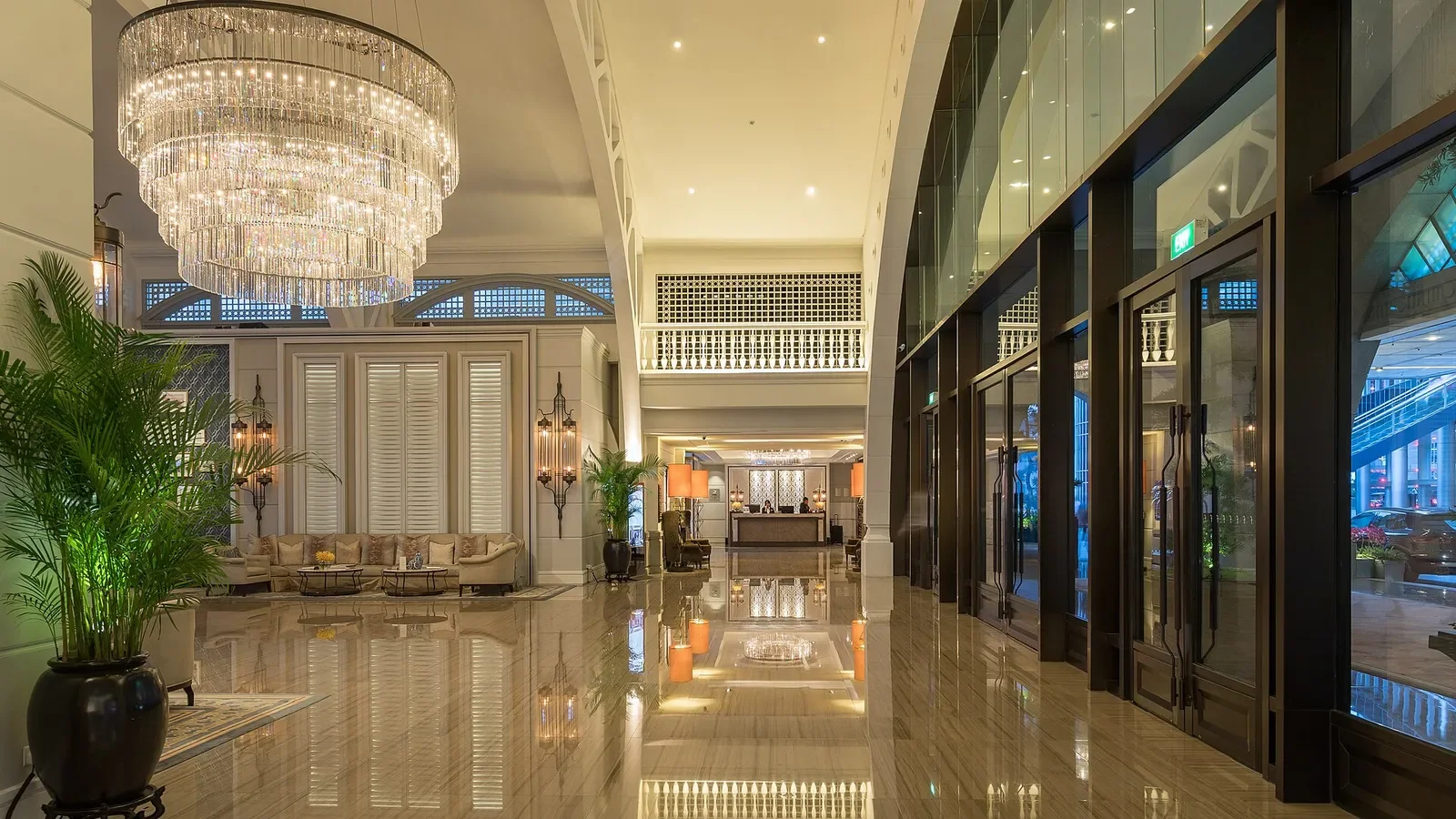
Photo: Basile Morin on Wikimedia Commons, CC BY-SA 4.0
AI automation for hotels in Dubai can take a large share of the admin that fills a small property's day, but only if you decide in advance which messages it may send without a person reading them first. Most boutique hotels and serviced apartment operators in the city lose hours to the same few jobs: confirming bookings, sending arrival details, answering late checkout requests and replying to reviews. This guide sets out what to hand off, what still needs a manager and how to keep Arabic and English replies accurate.
What admin eats a small Dubai hotel's day
Most of the day goes on repeats. A 20-room property, for example, may take a booking from an online agency, then a direct email, then a WhatsApp question about parking, then a request to move check-in, all from the same guest. Each message needs the same facts: dates, room type, rate, arrival time and access instructions. Staff copy them out by hand, often from three inboxes, and the answers drift apart.
Guests also write in more than one language. Diggit Global notes that multilingual hotel chatbots can handle questions in Arabic, English and other languages across channels such as WhatsApp and the website. Capability is only the start. The answers still have to be right, and most of the rest of this piece is about that.
Before you buy anything, count. Pull the last 30 days of messages from your inbox and booking platforms and sort them by type. Read the list and the same few questions will repeat. That list tells you what to automate first, and it is the only honest basis for a cost estimate.
AI automation for hotels in Dubai: start with confirmations and pre-arrival messages
These are the safest places to start because the facts already sit in your booking system. A confirmation should state the dates, room type, total, cancellation terms and check-in time, all pulled from the reservation record. An AI assistant can send that within minutes of booking, in the guest's language, with nobody retyping it. If you already run booking flows for other services, our guide on appointment booking automation for small business covers set-up logic that carries over.
Pre-arrival messages do the most work. Send a short reminder on the arrival day. Guests stop calling, and the front desk stops answering the same three questions.
Speed matters more than who typed the reply. Anqor Studios, which builds AI for hospitality, says response speed matters more to a guest than who typed it. That is a reason to automate, not a reason to skip checks. A fast wrong answer about check-in time costs you more than a slower right one.
Be careful with headline figures. A News ExploreTech piece on AI in Middle East hotels reports that AI chatbots handle about 80% of routine guest inquiries and can cut costs by up to 50%. Treat figures like these as a ceiling, not a forecast for your desk. Hospitality Net reports that 90% of hotel leaders say AI improves routine tasks, yet only 15% see gains on the frontline. That gap is the lesson: measure your own front desk before and after.
Late checkout and special requests: automate the answer, not the approval
Late checkout is where small hotels get burned. The guest asks for 2pm, the reply says yes, and the next guest arrives at noon. Anqor Studios deliberately avoids letting automation commit inventory without a confirmation step, because an overbooking is more expensive than a slower reply. We would apply the same rule to any hotel.
Set the flow up in four steps. The request arrives. The assistant checks the room's calendar and whether another guest is due in that room the same day. If the room is free and your policy allows it, the assistant replies with any fee and says the request is being confirmed, then flags it to a named person. That person approves with one tap, and the guest gets a final confirmation. If the room is sold, the assistant offers luggage storage or the nearest free late slot, and it never promises a time nobody has held.
The cost depends on your fee policy and on how well your booking system exposes room availability. Some systems do not connect cleanly to an assistant. In that case the availability check stays manual and the automation only drafts the reply for a person to send.
Late checkout: automatic yes or checked answer
Before
- Guest asks for a 2pm checkout
- Assistant confirms straight away
- Next guest arrives at noon and the room is not ready
After
- Assistant checks the room calendar
- Manager approves or declines
- Guest gets a confirmed time, or a clear alternative
A slower reply costs far less than an overbooking.
Worked example: hours saved each week (made-up numbers)
These numbers are made up to show the method. Swap in your own counts.
Inputs:
- Routine messages per week (confirmations, pre-arrival, check-in questions): 30
- Minutes to write and send each one by hand: 4
- Share the assistant handles without a person: 80%
- Minutes a week spent checking the assistant's output and fixing mistakes: 20
Sum:
- Minutes on routine messages: 30 × 4 = 120 minutes
- Minutes the assistant takes over: 120 × 80% = 96 minutes
- Net minutes saved after checking: 96 − 20 = 76 minutes
- Net hours saved: 76 ÷ 60 = about 1.3 hours a week
Compare that net saving with the set-up cost and the monthly fee. At this volume the saving may not pay for itself, which is exactly why counting comes first. A hotel sending several hundred routine messages a week will see a very different sum.
Review replies: draft with AI, publish after a human check
Review replies are where a fast AI reply does the most damage. The common failures are a generic thank-you for a 'wonderful stay' when the guest complained about a noisy air conditioner, or a reply that names a breakfast time that changed last year. Future guests notice both.
Use AI to draft and a person to publish. Give the drafting step your facts: room names, breakfast hours, the facilities that really exist, and a staff member's name only if the review mentions them. Tell it to add nothing else. A manager then reads each draft against the review it answers.
Check every draft against this list:
- Does the reply address the specific point the guest raised? - Does it include any detail that is not in your records? If so, remove it. - For a negative review, is the tone calm, with one short offer to continue offline? - Does it avoid repeating the guest's personal details? - Is it in the same language as the review?
For negative reviews, reply once and briefly, and do not argue. A reply that accepts the problem and says what changed does more for a future booker than a long defence.
Before you publish a review reply
Keeping Arabic and English messages accurate
Arabic is where most set-ups go wrong. Four habits help.
First, pick a register. Written templates work best in Modern Standard Arabic, which reads clearly across the Gulf and beyond. Where a guest writes in a local dialect, a slightly warmer Modern Standard Arabic reply is safer than trying to match the dialect, which a machine often gets wrong.
Second, keep names exactly as the guest wrote them on the booking or passport. Do not let the assistant transliterate or correct a name. A mismatch on a check-in document creates a real problem at the desk.
Third, build a glossary. List your room types, facilities, policy terms and fees in both languages, and have a native speaker approve it once. Use the glossary for every message, so late checkout always means the same thing in both.
Fourth, check numbers, times and currency after translation. Policy messages such as cancellations and refunds should have a second person read the Arabic text before go-live.
For the wider set-up of an assistant across chat, email and WhatsApp, see our guide to AI customer support for small business.
What still needs a manager: exceptions, complaints and handoffs
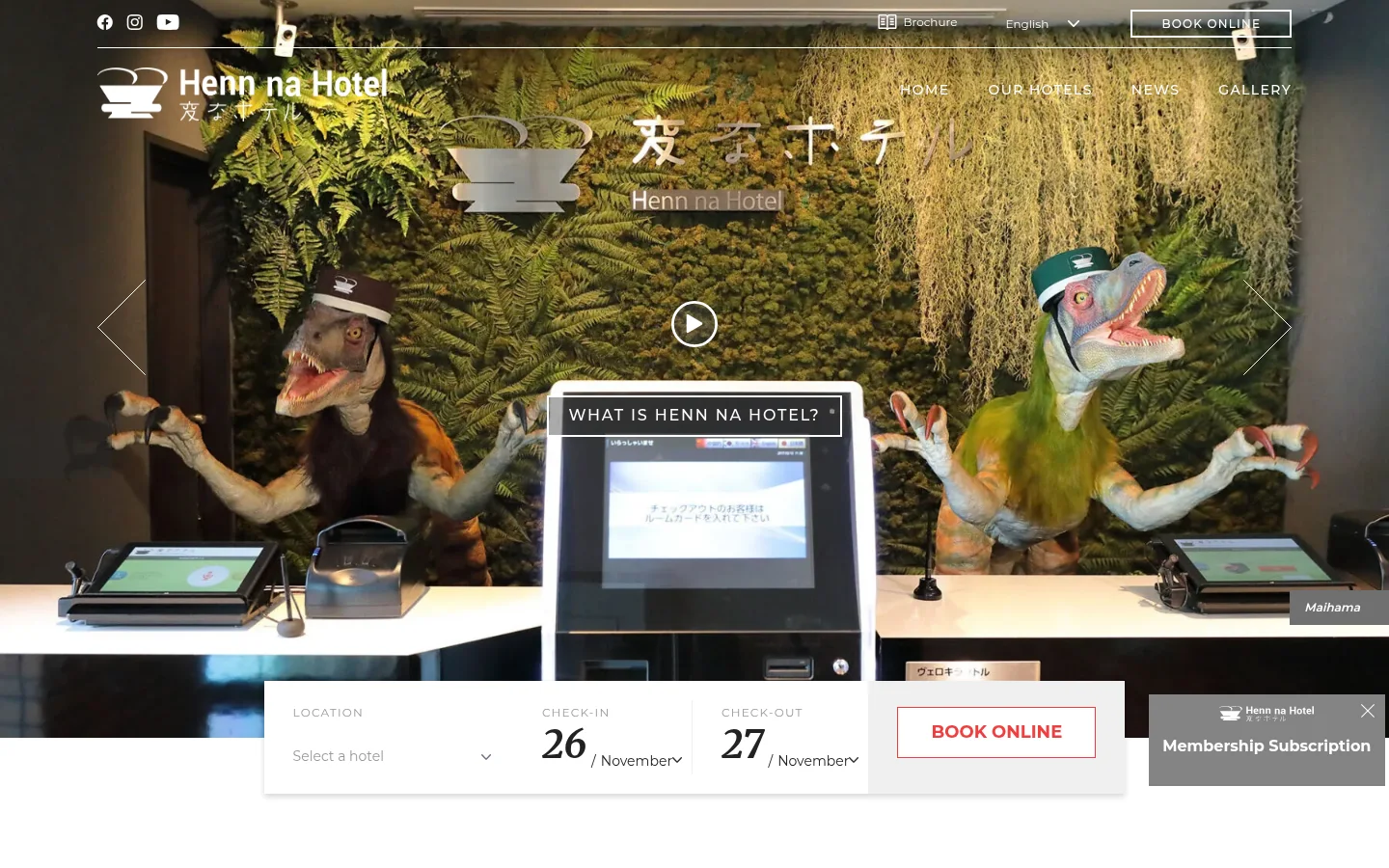
Dubai Future Foundation notes that routine can be automated, but hospitality still needs a human handoff. In its video on Japan's Henn-na Hotel, guest satisfaction dropped where human oversight was limited. Keep that lesson in front of you when you decide what the assistant may close on its own.
| Task | Automate | Keep with a manager |
|---|---|---|
| Booking confirmation | Yes, from the reservation record | Disputed dates or rates |
| Pre-arrival details | Yes, with check-in and access info | Changes that affect cleaning or keys |
| Late checkout request | Answer and check the calendar | Any approval or fee waiver |
| Review reply | Draft only | Publishing, and any complaint |
| Refund or compensation | No | Yes, every time |
| Safety, medical or lost property | No, route at once | Yes |
| Damage or charge disputes | No | Yes |
| Group or long-stay pricing | No | Yes |
Set one rule. Any message that contains a complaint, refund, injury, threat, request for a human, or promise about availability or price goes to a named person with a short summary. The assistant should say so plainly, for example: 'Thanks, we have passed this to our front desk team, who will reply within the time we have set.'
Should a hotel tell guests they are talking to an AI? Yes. Anqor Studios recommends being straightforward about it, and we agree. Put a line near the top of automated messages, such as 'This is an automated message from our team. A person handles every request that needs a decision.' Guests who find out later that they were talking to a bot tend to trust the hotel less. Being clear also sets expectations about when a human will reply.
Setting up a simple workflow and measuring results
Start with a short sequence:
- Pull 30 days of messages and sort them into three piles: automate, draft for review, and manager only.
- Write approved answers in English and Arabic for the automate pile, using your glossary.
- Add the disclosure line to every automated message.
- Set a response target for handoffs that you can actually keep, and name who owns the inbox out of hours.
- Run for two weeks with a manager reading every automated message, then move to sampling.
- Measure the share of messages handled without staff, response time, corrections needed, review ratings and direct bookings.
Hospitality Net's finding about frontline gains is a good reason to measure rather than assume. Cost depends on your booking system, which channels you need covered and how much translation review you buy. Our AI Systems and Automation service starts from $499 with a build of one to three weeks, scoped to the work you name, so the price moves with the scope.
The three-part set-up
Sort
AutomateDraft for reviewManager onlyPrepare
English and Arabic answersGlossaryDisclosure lineMeasure
Handoff response targetMessages counted by typeWhere to start
- Count last month's messages by type and sort them into three piles.
- Automate booking confirmations and pre-arrival messages first.
- Put late checkout behind a manager's approval, with an availability check.
- Draft review replies with AI, and publish only after a human check.
- Keep complaints, refunds, safety and damage with a named person.
Our Free AI Audit is a 30-minute call with a strategist who helps you list the tasks AI can take over and leave you with a plan you can keep. If you want that done for your inbox, get a free AI plan or book a call and we will go through the messages with you.
Sources
See it in practice

Built by Pensact
Wtrmelon · A brand we worked on and partnered with: streetwear with a story, shipped worldwide from Germany and Dubai.
Questions people ask
How can a small hotel in Dubai use AI?
Start with the repeat messages: booking confirmations, pre-arrival details and check-in questions. Keep late checkout approvals, refunds and complaints with a manager, and let AI draft review replies for a person to approve. What it costs depends on your booking system, the channels you need covered and how much translation review you want.
Can AI reply to guest messages in Arabic?
Yes, many multilingual assistants can handle Arabic on WhatsApp and websites, but being able to reply is not the same as being accurate. Use a glossary approved by a native speaker, keep guest names exactly as written, and check numbers, times and currency before go-live. Policy messages should always get a second read.
What hotel admin should be automated first?
Booking confirmations and pre-arrival messages come first, because the facts come straight from your reservation record and the risk is low. Check-in questions can follow. Late checkout answers are worth automating only once your availability check is reliable, and the approval should stay with a manager.
Should a hotel tell guests they are talking to an AI?
Yes. Say early in the message that it is automated and that a person handles requests needing a decision. Anqor Studios recommends being straightforward about this. Clear labelling also sets expectations about when a human will reply, which protects trust if a guest needs more than the bot can give.
Keep reading
AI automation for architects: proposals, revisions, admin
Enquiries, fee letters, revision logs and invoice chasing can often be automated safely. Planning and client-facing documents still need an architect's name and check on them.
Noah Hany · 26 Nov 2026
Clean data before AI automation: a practical checklist
The three data problems that break automations, and a one-week plan to fix them before you switch anything on.
Noah Hany · 26 Nov 2026
Human in the loop automation: where a person still signs off
Human in the loop automation lets a person approve payments, prices, refunds and customer messages before they go out, without checking every task.
Noah Hany · 26 Nov 2026