News
6 min readAI shopping agents small business: will they find you?
Xero's survey found 43% of consumers would trust an AI agent to recommend a business they had never heard of. Here is what to check before one sends a buyer your way.

Photo: Steffen Mokosch on Wikimedia Commons, CC BY-SA 4.0
AI shopping agents small business owners keep asking about are now a route to customers, not a conference talking point. The real question is whether an agent will recommend your business to someone who has never heard of you. Below are the latest figures, what shoppers want to see, and three checks you can run this week at no cost.
What the Xero survey says about AI shopping agents small business buyers
Xero's 2026 holiday consumer survey found that 43% of consumers would trust an AI shopping agent to recommend a small business they had never heard of. Xero sells accounting software to small firms, so check the full methodology before you quote these numbers to anyone.

What does that mean for you? Fewer than half of consumers would let an agent introduce you cold. That is still a large group, and the younger end of it is much more willing. If your buyers skew young, the opening is bigger. If they are older, you will still rely on people who already know you.
Why an unfamiliar small business can now be found through an AI answer
Agents do more than search. The MIT Initiative on the Digital Economy describes agents that can reorder household items, select the best price and negotiate deals with little human intervention, per its piece on agentic commerce. The same piece cites McKinsey's estimate of up to $1 trillion in orchestrated retail revenue by 2030. That figure covers the whole retail market, not your shop, so do not plan around it.
Platforms are moving too. A post on the r/shopify community on Reddit says that from 26 January, Shopify products are to become available to buy directly in AI channels such as Google AI Mode, ChatGPT and Microsoft Copilot, through Agentic Storefronts. Presta's 2026 guide says the Universal Commerce Protocol lets a small Shopify boutique compete for visibility in Google Gemini alongside a global retailer such as Target. Both are vendor or community sources, so confirm the details with the platform before you act on them.
Small firms are hopeful. A PayPal report, as covered by Yahoo Finance, found roughly 78% of small businesses believe a rise in agentic AI could help them compete. The same report says 87% of large enterprises expect bigger players to pull further ahead. Our view: optimism is not readiness. Believing agents will help you costs nothing. Being readable to one takes work.
What an agent can do on a shopper's behalf
Shopper asks
Re-order a regular household itemSet the aim: best price or a specific dealAgent works
Compares pricesNegotiates deals with little human inputShopper gets
A chosen purchase, with the shopper's details already in plaWhat shoppers want to see before they trust a recommendation
Xero's survey says consumers want to know four things first: total price, customer reviews, secure payment information and business reputation, as set out in Xero's LinkedIn post. These are the same checks a careful buyer makes before buying from a stranger. An agent can only report what it can find. If your total price, reviews or payment details are missing, unclear or out of date, there is less for it to say in your favour.
Our view is that the four items split into two groups. Price and payment are facts you control on your own pages. Reviews and reputation depend on what others have published about you. Check both groups.
Three checks to run this week
Check 1: Are your price, availability, delivery and return details accurate and current?
Pick your three best-selling products or services. For each one, compare the price on your site with the price on your invoice or booking system. Check stock status, delivery time and your returns policy. Then ask whether those details appear as plain text on the page, not inside an image, a PDF or a pop-up. An agent that cannot read your returns policy cannot repeat it to a buyer.
A wrong price does more damage than a missing one. If an agent sends a buyer to you and the figure has changed, the buyer blames you and you lose the sale. Fix the top three products first, then work through the rest. This is an afternoon's work, not a project.
Check 2: Do your reviews and reputation signals show up where an AI can read them?
Search your business name and look at what comes back. Are your reviews visible on your own site as written text, or only inside a star widget? Is your listing on the main search results complete, with the same name, address and phone number you use on your website? Are your payment and security details stated in words, not only shown as a logo?
The sources we have do not say which review sites agents read, so do not assume any one of them counts. Our advice is to make reviews easy to read in every place you already collect them, and to keep your name, address and phone number identical everywhere. That costs time, not money.
Check 3: Can an AI tell what you sell, where you are and who you serve?
Open an AI assistant and ask it what your business sells, where it operates and who it serves. Read the answer as a stranger would. If it gets any of those wrong, or says nothing, your home page and product titles are not clear enough. Rewrite the first paragraph of your home page so it names the product or service, the place and the customer in plain words. Then run the test again a week later.
This is a rough stand-in for what a buyer's agent might do, not a measure of it. It is still free, and it shows you the gaps quickly.
Does this change where you should spend on marketing?
Not in the way the headlines suggest. Our view is to fix accuracy and reputation before paying to send traffic. Paid clicks that land on a wrong price or a thin page are wasted money. The order is: fix price and policy details, build up reviews, make the home page clear, then spend on acquisition.
Whether an AI-sourced customer is worth a discount depends on your margin, your return rate and what you would otherwise pay to win that same customer. We do not have those figures for your business, so we will not guess at them. Tag visits that come from AI tools in your analytics, so you can compare them with the rest of your traffic.
If your site itself needs rebuilding, our websites and apps team quotes from $990 and launches in 2 to 6 weeks. For the wider search and ads question, our growth marketing service starts from $690 a month. Do the three checks first, though. They cost nothing and tell you what to fix.
Spend first or fix first
Spend first
- Paid clicks land on a wrong price
- A thin page sends visitors away
- Reviews stay few, so trust stays low
Fix first
- Price and policy details match your invoices
- Reviews build up before the spend
- A clear home page gets the visit, then the paid push
Fix accuracy and reputation first, then pay to send traffic.
Caveats: what is still unclear about agent-driven shopping
The Xero figures measure what consumers say they would do, not what they actually do. The sources do not explain how an agent chooses one business over another, so any claim about ranking is a guess. The McKinsey number is a forecast for retail as a whole. The Shopify and Gemini details come from a community post and a vendor guide, and platform rules change.
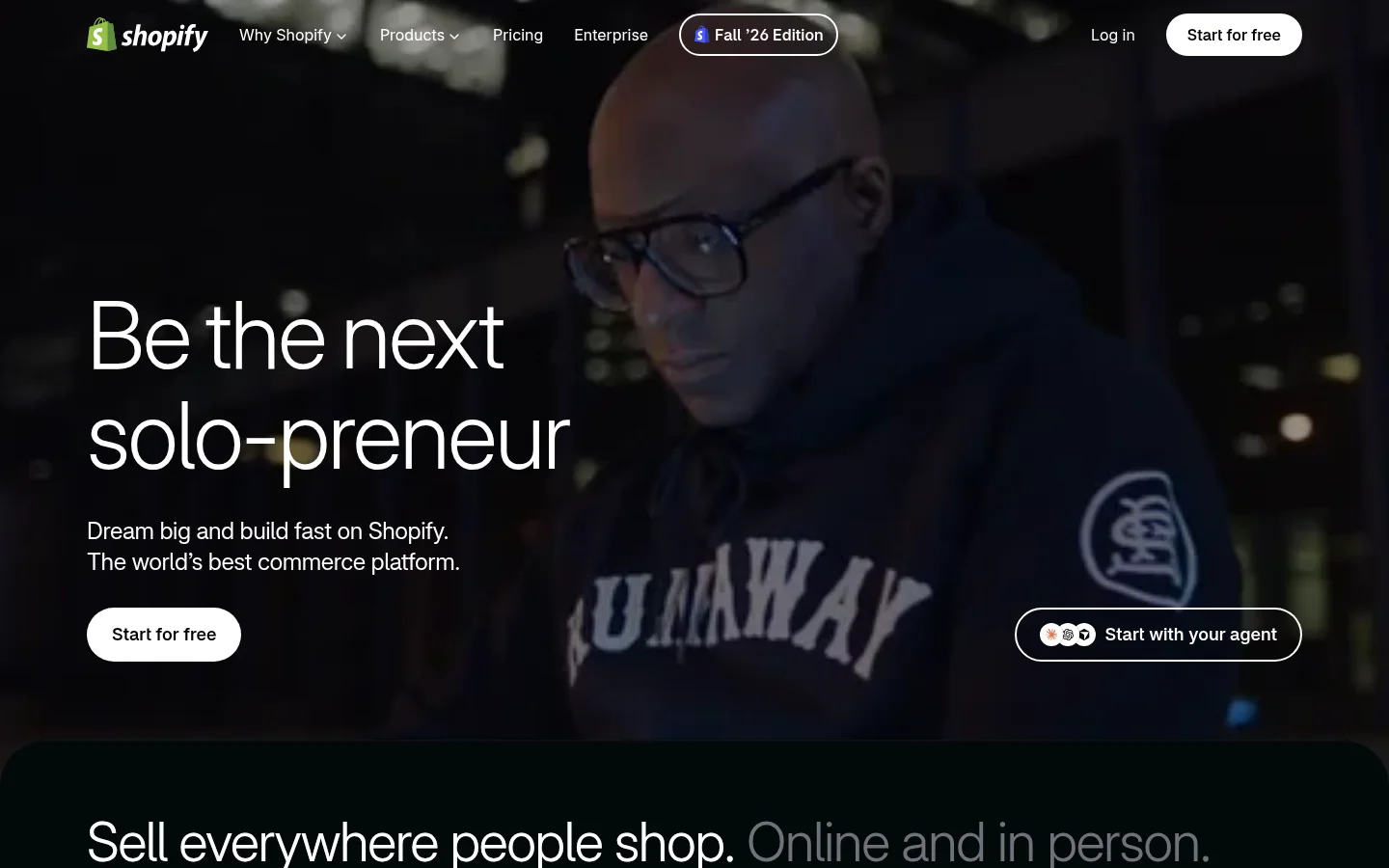
The Shopify channel is specific to Shopify. If your site runs on something else, check with your platform whether it can be listed in these AI channels before you assume it can. The three checks above work on any website. For a more sceptical look at whether AI brings customers at all, read Can AI bring small business customers? An honest answer.
If you want an outside check on your product pages, get a free AI plan or book a call. The free AI audit is a 30-minute call with a strategist, with no card and no obligation, and you leave with a list of the tasks AI can take over.
Sources
See it in practice

Built by Pensact
Al Jouf Agricultural Development Co. · The shopping app and store for one of Saudi Arabia's largest agricultural companies, selling its organic olive oil and farm products straight to customers.
Questions people ask
Can AI shopping agents recommend my small business?
Some can, and Xero's survey suggests 43% of consumers would trust one to recommend a business they had never heard of. Whether an agent actually does depends on what it can read about you, including your prices, reviews and payment details. The three checks in this article show where to start.
How do AI agents choose which business to suggest?
The sources we have do not explain how agents choose, so nobody can give you a reliable answer from outside the platforms. What shoppers say they want is clear: total price, reviews, secure payment information and reputation. Make those easy to find and you give any agent the best chance of recommending you.
What do shoppers want to know before trusting an AI recommendation?
Xero's survey says they want to see total price, customer reviews, secure payment information and business reputation. You can check all four on your own site and listings this week. Start with price and returns, because a wrong price loses trust fastest.
Does this change how I should spend on marketing?
Not enough to justify a big switch yet. Fix price, policy and review details first, then spend on acquisition. Track AI-sourced visits separately, so you can judge their value against your margin and return rate.
Keep reading
ADP small business deal: what the free payroll offer covers
The ADP small business deal offers up to 6 months free payroll for firms with 1 to 49 staff who switch before 26 November. Here is what to check first.
Noah Hany · 26 Nov 2026
UK AI adoption doubled 2026: what it means for small firms
The headline says AI use doubled, but the government survey skips the smallest firms. Here is how to read the numbers and what to try first.
Noah Hany · 26 Nov 2026
AI automation lessons 2026: where a small firm should start
AI automation lessons 2026 for owners with no tech team: pick one workflow, check the data and set a measurable target before you build anything.
Noah Hany · 26 Nov 2026