News
5 min readAI automation lessons 2026: where a small firm should start
AI automation lessons 2026 for owners with no tech team: pick one workflow, check the data and set a measurable target before you build anything.
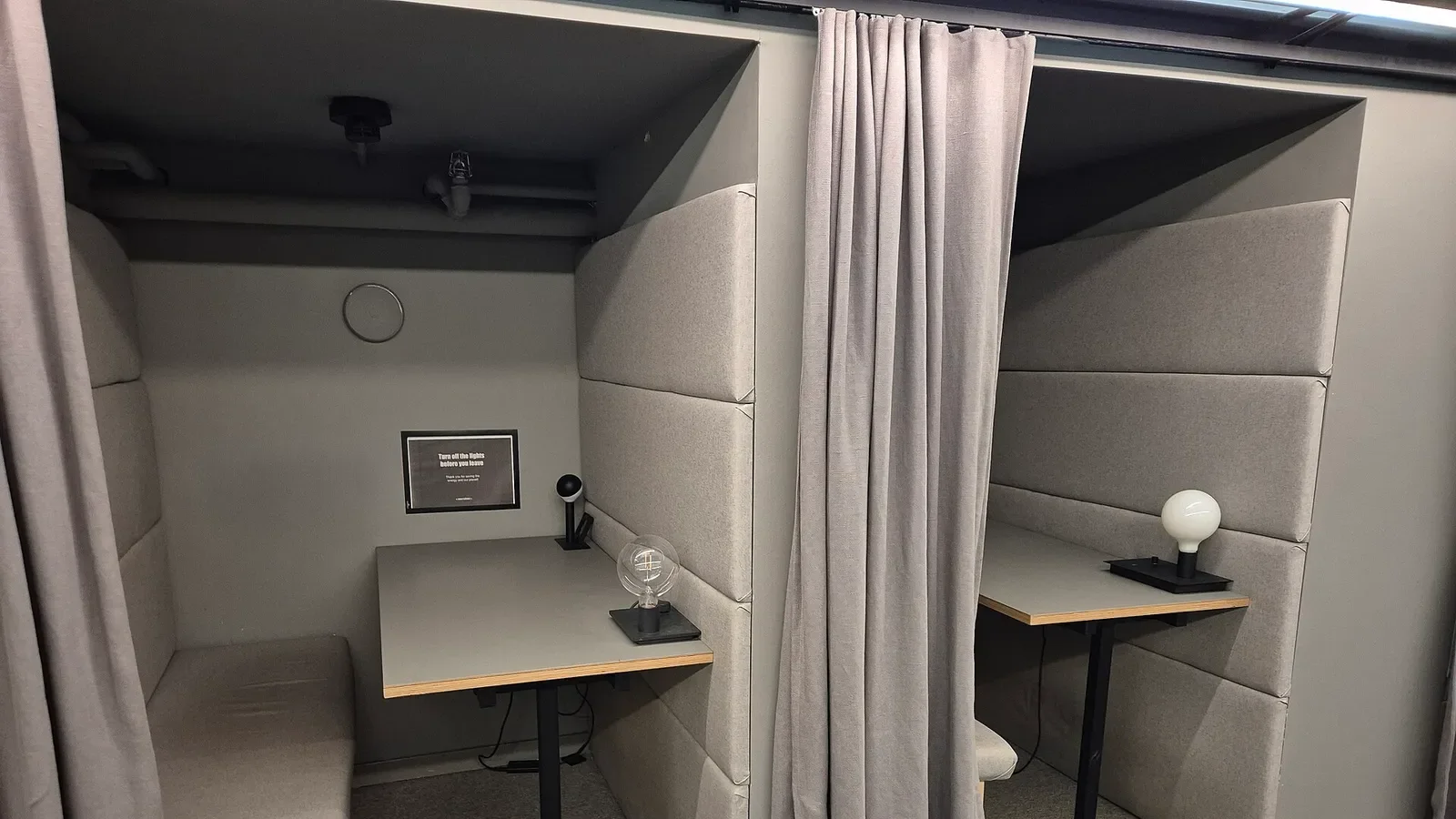
Photo: JustWritingHere on Wikimedia Commons, CC0
AI automation lessons 2026 come down to one decision for a small firm: which job do you hand off first? With no tech team and a few thousand pounds, picking the wrong job costs more than picking the wrong tool. Here is the order we would work through it this quarter.
AI automation lessons 2026: start with one repeatable workflow
Pick one repeatable workflow before touching any tool
Choose one task that happens often, follows the same steps each time and has a clear end. Lead enquiries that need sorting, invoices that need chasing and booking confirmations are typical examples. Write the steps down on paper, from the moment the work arrives to the moment it is finished. If you cannot list the steps, no tool will fix that for you.
A useful course teaches the same habit. Coursiv's blog says a good AI automation course should teach you to spot repeatable work, map the workflow behind it and connect tools where they help. You can do the first two steps today with a pen, before you pay for anything.
Check the data is reliable enough to automate
An automation copies whatever it reads, so messy inputs produce messy outputs faster. Find where the workflow's data lives: a spreadsheet, a shared inbox or a CRM export. Pull twenty recent examples and check them by hand. Are names spelt the same way each time? Are the key fields filled in? Do dates follow one format? If more than a handful fail, clean that up first. It is cheaper than correcting a hundred wrong records later.
Keep customer data out of public tools. A 2026 blog post from the Kumari Institute of Technology says never to upload private customer data, passwords or confidential company information to public AI tools. Check what your provider does with the data you send, and strip personal details from any test set.
Set a measurable outcome before you build
Write down the number you want to move before anyone builds anything. Hours saved per week, time from enquiry to first reply and the share of invoices paid on time are all measurable. Measure the current figure for a week so you have a true starting point. Then set one target. If you cannot say how you will know it worked, you are buying a feeling, not a result.
A post on r/n8n claims standard workflow automation can save 25 to 40% in labour costs and deliver good return in the first year. That is a forum claim, not a study. Treat it as a hypothesis to test against your own numbers, not as a budget line.
Worked example: hours saved on enquiries
These numbers are made up to show the method. Inputs: 6 enquiries a day, 5 working days a week, 8 minutes per enquiry to read, sort and reply by hand now, and a target of 3 minutes per enquiry.
If you only save 30 minutes, the build is not doing what you hoped, and you have learned that before spending more.
Keep a human review step on anything consequential
Anything that sends a message to a customer, changes a record or makes a recommendation should pass a person before it goes out. The Kumari Institute post recommends a review step before any consequential action. The FIU Continuing Education AI automation course also lists data privacy, API costs and human-in-the-loop oversight as limits to evaluate before you commit, which you can read on FIU's AI automation page.
Start with AI drafting the replies and a person pressing send. Loosen the check only when the error rate has stayed low for several weeks.
Build a small prototype and test failure cases
Build the smallest version that does the job. A Reddit thread on r/AiAutomations suggests a simple first build: take a form submission, pass it to an AI model to classify it, save the result in a Google Sheet and send a notification. That is four steps, and you can test them with a dozen real submissions.
Then feed it bad inputs on purpose: an empty form, a message in another language, a duplicate. Note what breaks. Those failures tell you what to fix before anyone relies on the workflow.
What a few thousand pounds buys a firm with no tech team
What a few thousand pounds buys depends on scope, and we will not guess a figure. One workflow with a clean data source costs far less than three connected systems. Our AI Systems & Automation service starts from $499 and takes 1 to 3 weeks, but your price depends on the workflow you choose, so ask for it in writing before work starts.
Ask any provider to price the one workflow you picked, not 'AI for the business'. Our guide on how to brief an AI agency shows what to put in that brief so the quotes compare fairly.
Choosing a course or tool only after the first workflow is clear
Courses come after the workflow, not before. The Pivot Wave lists Build AI Agents with n8n (Zero To Mastery) at $49 a month, $299 a year or $1,299 for lifetime access, with 3 hours and 28+ lessons. That is one option among many. If you already know the workflow, a short course on the one tool it needs will do more than a broad programme. If you do not know the workflow yet, no course will tell you. Our guide to AI tools for solo business owners covers what a small firm actually needs.
Common questions owners ask about starting
Owners usually ask three things next: how to start, whether their data is ready and how to tell if it worked. The answers are above: one workflow, a twenty-example data check and a number you measured before the build.
If you want a second opinion on which workflow to pick first, the next step is simple. Get a free AI plan built around your firm, or book a call and we will go through your data and your target with you.
Sources
See it in practice

Built by Pensact
Go Way · A ride-hailing app for Egypt where riders pick the offer that suits them, across car, scooter or tuk-tuk. We built its systems and CRM.
Questions people ask
What is the best course for learning about AI automation?
There is no single best course, and the right one depends on the workflow you want to automate. Coursiv's blog says a good course teaches you to spot repeatable work, map the workflow, write reusable prompts and connect tools. Pick a course only after you have chosen that first workflow.
Where should a small firm start with AI automation?
Start with one repeatable task that follows the same steps each time, such as sorting enquiries or chasing invoices. Write the steps down before choosing any tool. Build a small version first and test it with bad inputs before anyone relies on it.
What makes data reliable enough to automate?
Data is reliable enough when the fields you need are filled in, names and dates follow one format and the records match what actually happened. Check about twenty recent examples by hand to find the common failures. Clean those up before you build, because an automation repeats whatever errors it reads.
How do I set a measurable outcome for a workflow?
Pick a number you can measure, such as hours spent per week, time to first reply or the share of invoices paid on time. Record the current figure for a week so you have a true starting point. Then set one target and check it over several weeks after launch.
Keep reading
ADP small business deal: what the free payroll offer covers
The ADP small business deal offers up to 6 months free payroll for firms with 1 to 49 staff who switch before 26 November. Here is what to check first.
Noah Hany · 26 Nov 2026
UK AI adoption doubled 2026: what it means for small firms
The headline says AI use doubled, but the government survey skips the smallest firms. Here is how to read the numbers and what to try first.
Noah Hany · 26 Nov 2026
AI shopping agents small business: will they find you?
Xero's survey found 43% of consumers would trust an AI agent to recommend a business they had never heard of. Here is what to check before one sends a buyer your way.
Noah Hany · 26 Nov 2026