AI & Automation
6 min readIs AI for travel agencies worth it for a team of three?
AI can draft replies, itineraries and follow-ups for a small agency. Here is what to automate first, what needs a human, and what to keep personal.
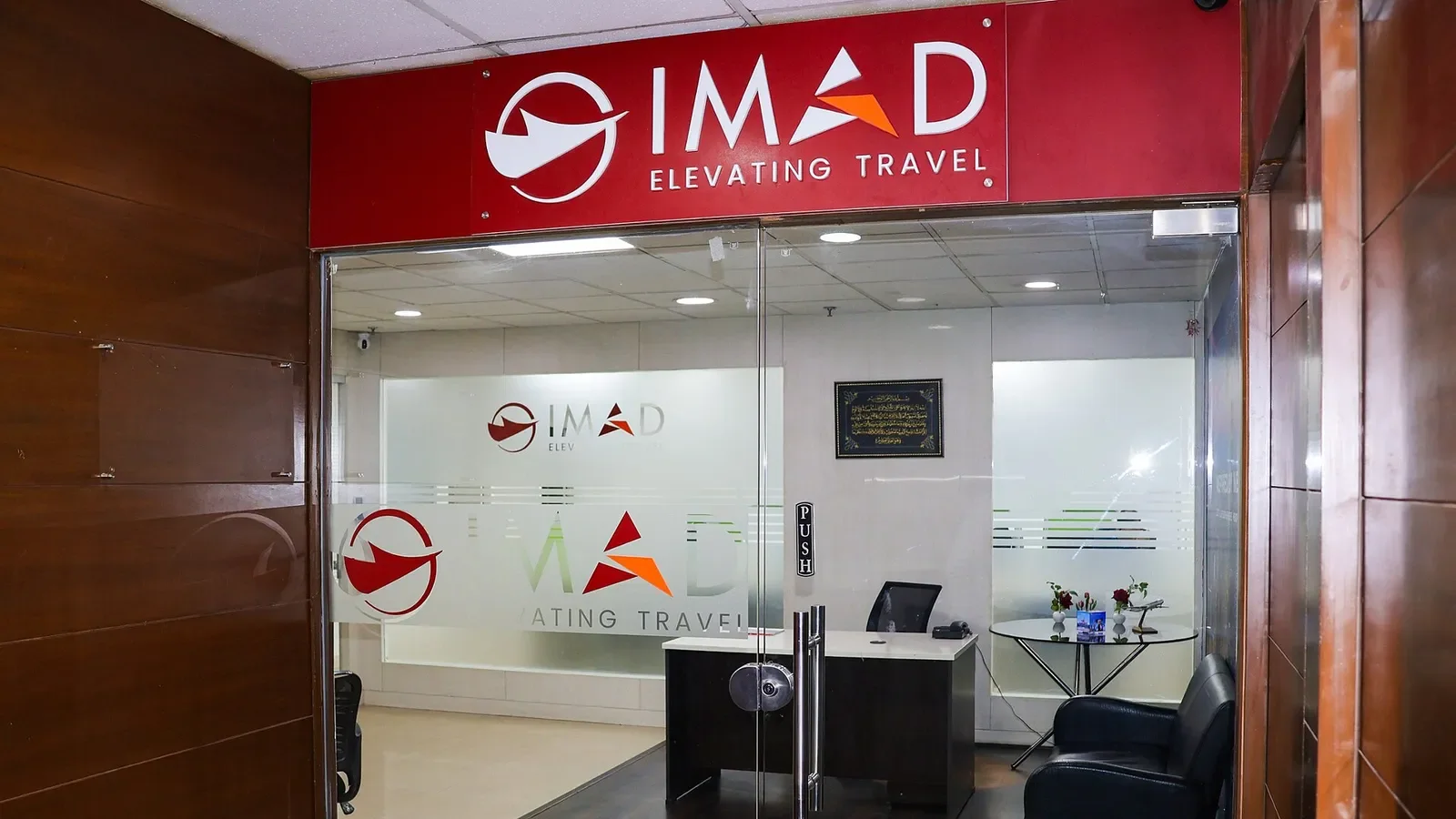
Photo: Girishkadam123 on Wikimedia Commons, CC BY-SA 4.0
Is AI for travel agencies worth the bother when you run a team of three? Yes for the repetitive work, and no for anything that needs a judgement call about money, safety or a complaint.
Can AI write itineraries for a travel agency?
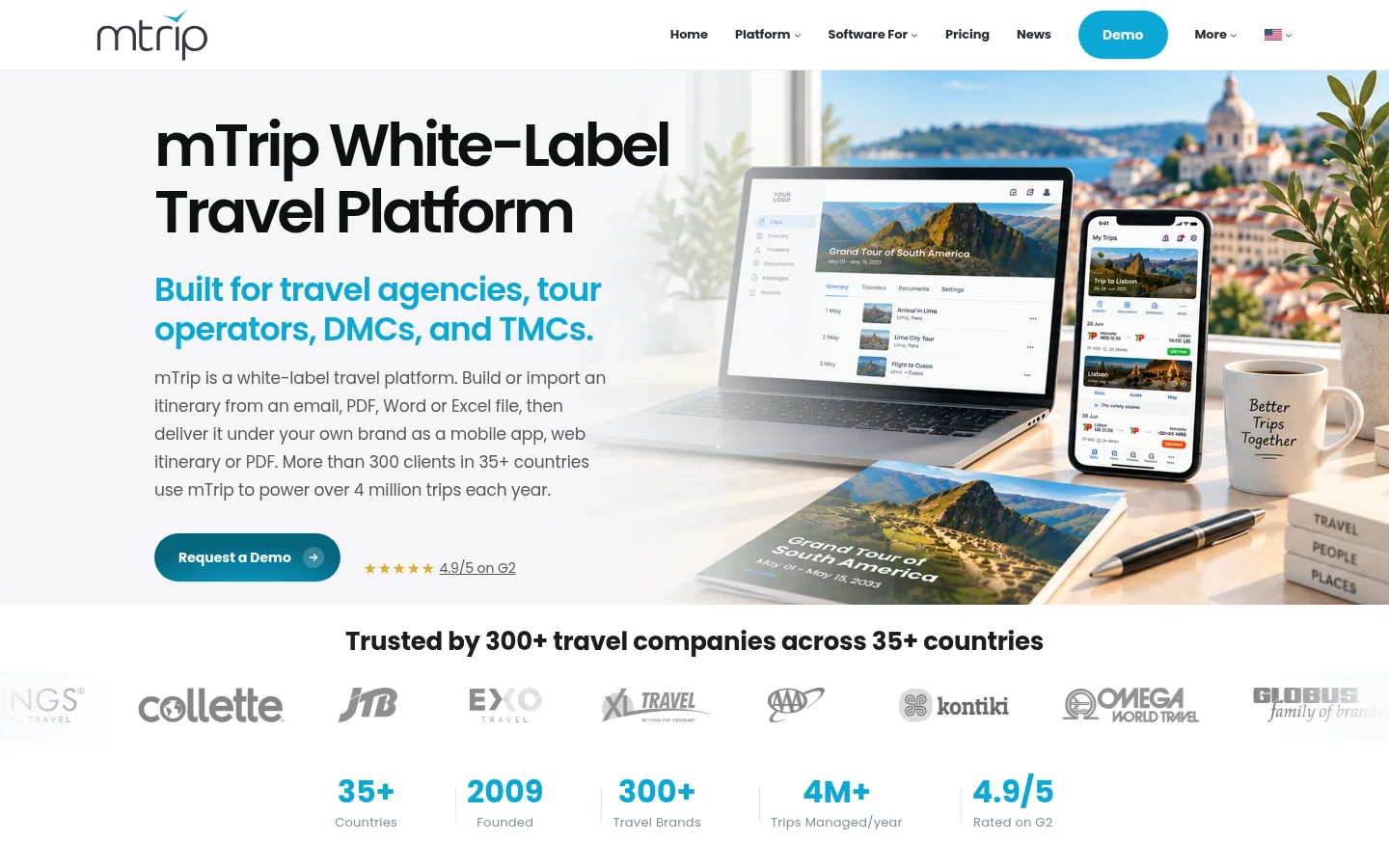
It can write a first draft in minutes, but a person should check every line before a client sees it. The useful tools don't write from nothing. mTrip's AI Import Wizard takes supplier PDFs, booking emails and pasted text and turns them into an itinerary you can edit (mTrip). That matters, because the source documents already hold the flight times, hotel names and transfer details. The AI is only reshaping them.
Where drafts go wrong is predictable. Flight times get copied across time zones incorrectly, check-in rules are left out, and entry requirements or transfer timings change after the draft was made. So the method is simple: give the tool the client brief and the supplier text, ask for a day-by-day layout, then tick each line against the original confirmation.
The cost depends on which platform you choose, how many users need seats and whether you need a client-facing app. We don't have verified prices for these tools, so price them against your own monthly booking volume before you commit.
Which travel admin should I automate first?
Start with the work that repeats and has a clear right answer: enquiry acknowledgements, answers to questions you already answer every week, document reminders and the post-booking pack. Leave pricing and supplier commitments until the simpler tasks run smoothly.
This is the split we'd use for a small agency:
| Task | AI drafts it | A person signs off |
|---|---|---|
| Enquiry acknowledgement and first reply | Yes | Yes, check dates and availability first |
| Itinerary first draft | Yes | Yes, every line |
| Supplier confirmation chasers | Yes, the email | Yes, sent by a person |
| Quotes and pricing | Summary only | Yes |
| Complaints and refunds | Wording options only | Yes |
| Post-trip follow-up and review request | Yes | Light check |
Enquiries come first because the first reply is usually the bottleneck. Before you switch anything on, make sure your contact records and past trip details are clean and in one place. We cover that in our clean data checklist, because an assistant working from a messy spreadsheet will confidently send the wrong thing.
Three beliefs about where to start
- AssumedAI can take over pricing and supplier commitments straight away.
- In practiceLeave pricing and supplier commitments until the simpler tasks run smoothly. Start with repeat work that has a clear right answer.
- AssumedAn AI tool can write a client itinerary from nothing.
- In practiceThe useful tools build the draft from supplier PDFs, booking emails and pasted text. A person still checks every line before a client sees it.
What AI tools do travel agencies use for enquiries and live chat?
Most agencies use three kinds of tool. The first is a writing assistant such as Claude or ChatGPT for drafting replies and itineraries. The second is an itinerary platform such as mTrip. The third is marketing and service software such as Brevo for email, Tidio for chat, and Buffer or Later for social posts, with Fireflies.ai for meeting notes (mTrip).
For enquiries that arrive out of hours, dedicated assistants exist. Maya answers traveller enquiries 24/7 in more than 50 languages and says it is used by over 100 travel brands (Maya). Maya also reports a 90% drop in average handle time for new enquiries at Neckermann. That is the vendor's own figure, and we haven't verified it, so ask for the same measure from any supplier you talk to.
If your enquiries arrive on WhatsApp, which is common for agencies in the UK and across MENA, check how any tool hands over to a person. A chatbot that can't pass a conversation to someone on your team will lose the booking. We build these hand-offs for clients through our AI systems and automation service, and the design question is always the same: who answers when the bot is unsure?
Will AI replace travel agents?
Not the part of the job that earns the fee. Find A Host Travel Agency argues that an advisor's value lies in interpreting information, asking the right questions, spotting potential problems and recommending experiences to suit each person (Find A Host Travel Agency). None of those tasks is a lookup.
The pressure is on the lookup work. Expedia is partnering with Microsoft's Copilot Actions, an agentic AI technology that automates tasks such as travel booking and reservations (CNBC). If your agency's pitch is finding a flight, a consumer tool will beat you on price and speed. If your pitch is knowing which hotel suits a family with a toddler and a bad knee, AI helps you get to that answer faster.
What owners say about AI and the advisor's role
How do supplier confirmations get turned into client-ready itineraries?
The process runs in five steps. First, collect every confirmation in one folder or inbox thread for each booking. Second, paste or upload them into your itinerary tool so the draft is built from the source, not from memory. Third, check each booking reference, name spelling, time and date against the original supplier document. Fourth, add the client-facing notes the supplier doesn't write: meeting points, check-in rules, what to carry and who to call if a transfer is late.
Fifth, a person sends it. The itinerary goes out as a clear PDF or app link, with a short cover note from your advisor. Keep the source confirmations filed against the booking, so if a supplier changes something later you can see what the client was originally told.
Supplier confirmation chasers also stay with a person once a change is involved. AI can draft the chaser, but the decision about whether to accept a new time or a different room is a commercial call.
What should stay personal for high-value clients?
Anything that involves money at risk, a disruption, a complaint or a family with specific needs should go to a named advisor. That includes pricing and options for large trips, cancellations, changes after booking, medical or accessibility needs, and the first design call for a big or unusual trip.
Set the rule before you need it. Pick a spend threshold that matches your average booking, and treat repeat clients as a separate group who always get a phone call or a personal message. The AI can prepare the notes and the options, so the advisor walks into the call ready. Our human-in-the-loop guide sets out how to decide where a person signs off, and it applies directly here.
Who handles what
The trip involves a large sum of money or options with real cost
A named advisor prices and presents the options
Money at risk needs a person who owns the answer.
The client wants to cancel or change a booking after it is made
A named advisor takes the call
Changes carry supplier rules and client feelings that need judgement.
There is a disruption or a complaint
A named advisor responds
A fast, human reply matters most when things go wrong.
The family has medical or accessibility needs
A named advisor plans and confirms the details
A wrong assumption here can affect safety.
It is the first design call for a big or unusual trip
A named advisor leads the conversation
The advisor needs to ask the right questions before any draft is built.
Example: how much time an enquiry reply could save (made-up numbers)
These numbers are invented to show the method. Measure your own before you rely on them.
Inputs:
- Enquiries per week: 30
- Minutes to write a full reply by hand: 15
- Minutes to check and send an AI draft: 6
By hand: 30 × 15 = 450 minutes, which is 7.5 hours a week. With an AI draft: 30 × 6 = 180 minutes, which is 3 hours a week. Time saved: 450 − 180 = 270 minutes, which is 4.5 hours a week.
The saving only holds if the draft is accurate and the check is real. If the 6 minutes turns into 12 because the drafts are often wrong, the saving halves. That is why the data and the sign-off rules come before the tool.
What does AI handle after the trip for follow-up?
After return, AI can send a thank-you message, a feedback request a few days later, and a review request if the feedback is positive. It can also send a prompt for the next trip, timed to the client's usual booking pattern or their stated plans, and photos or a checklist for the next holiday.
The rule to keep: any negative feedback goes to a person, who replies within a working day. Don't let an automation send a review request to a client who has an open complaint. That is the fastest way to turn a fixable problem into a public one.
We'd build the follow-up sequence first, because it's low-risk and easy to measure. Once it runs without errors, add the enquiry replies. Our AI systems and automation service covers both, and it can be scoped to a single workflow before you commit to more.
If you want a straight view of which of these tasks would pay back first in your agency, the free AI plan at /go/free-ai-plan gives you a ranked list. If you'd rather talk it through with someone who has built these workflows, book a call and we'll go through your current enquiry and booking process.
Sources
See it in practice

Built by Pensact
Yalla L3b · Court booking for players and a management view for court owners: reservations, rankings, ratings and nearby courts in one app.
Questions people ask
Can AI write itineraries for a travel agency?
Yes, it can produce a first draft in minutes from supplier confirmations and a client brief. A person still needs to check every booking reference, time and date against the original documents before the client sees it. Tools such as mTrip are built to turn supplier text into an editable itinerary for this purpose.
Which travel admin should I automate first?
Start with enquiry acknowledgements, common questions and the post-booking pack, because those repeat and have clear answers. Leave pricing, supplier commitments, complaints and refunds with a person. Clean contact and booking records should be in place before you switch anything on.
Will AI replace travel agents?
It is more likely to take over lookup and booking tasks than the advice part of the job. Interpreting a client's needs, spotting problems and recommending suitable experiences still need a person. Agencies that focus on that judgement are better placed than those competing on finding a flight.
What should stay personal for high-value clients?
Pricing for large trips, changes after booking, disruptions, complaints and clients with medical or accessibility needs should always go to a named advisor. Set a spend threshold that fits your average booking, and give repeat clients a personal call or message. AI can prepare the notes so the advisor is ready.
Keep reading

How Power Automate for small business actually works
What you get on day one with Power Automate, where it strains for a small team, how the per-user cost adds up, and when Zapier or a builder fits better.
Noah Hany · 27 Nov 2026

AI automation for architects: proposals, revisions, admin
Enquiries, fee letters, revision logs and invoice chasing can often be automated safely. Planning and client-facing documents still need an architect's name and check on them.
Noah Hany · 26 Nov 2026

AI automation for hotels in Dubai: guest messages and reviews
The admin that eats a small Dubai hotel's day, what AI can safely send on its own, and what a manager must approve before it goes out.
Noah Hany · 26 Nov 2026