Websites
8 min readAI website builder vs agency: which fits your business?
A builder suits a brochure site that rarely changes. A firm that lives on leads and forms usually needs a build wired to its tools. Here is how to decide.
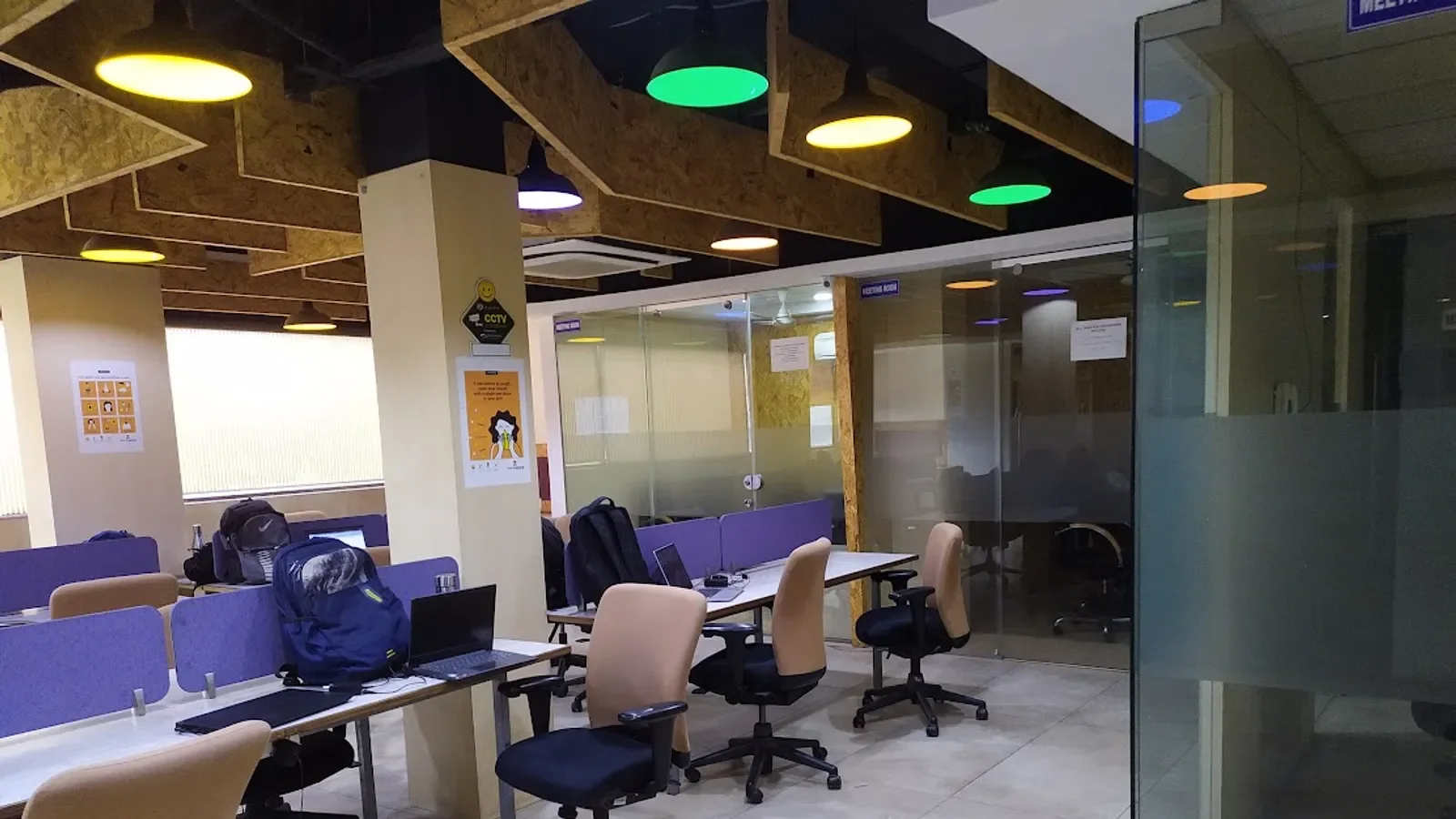
Photo: Thesocialtalks on Wikimedia Commons, CC0
AI website builder vs agency is the question every owner with an old or missing website ends up asking. The builder looks almost free and takes an afternoon. The agency looks expensive and takes weeks. Which one is right depends on one thing: what the site has to do for your business.
What an AI website builder actually does and where it stops
An AI website builder is a prompt-driven tool that generates a template site in minutes. According to AI Website Builder vs Web Design Agency: How to Choose, these tools cost €20 to €100 a month. You describe your business, it writes the copy, picks the layout and gives you a page you can publish.
That is genuinely useful. You get a presentable site fast, with no designer and no waiting. Can ChatGPT create a website? Yes, in the sense that it can write code and copy for one. But you still have to host it, connect a domain, test it on phones and fix whatever it gets wrong.
Where it stops is the wiring. A builder gives you pages. It does not decide what your pages should say to win a customer, and it does not connect the contact form to your CRM, your calendar or your follow-up. That part falls to you.
From prompt to live site with a builder
You write a prompt
Describe the business in plain wordsThe builder makes a template
Pages generated in minutesSubscription from €20 to €100 a monthYou do the rest
Check every pageWire forms, CRM and paymentsKeep hours, offers and team currentWhat a web design agency delivers beyond the build
A good agency sells outcomes, not pages. You get a custom design, copy written around how your customers buy, a site structure planned for search, and forms and tools connected so an enquiry goes somewhere useful.
The other half is the team. Someone is accountable for the site after launch. AI Website Builder vs Web Design Agency: Honest Guide makes the point that with a builder, integrations, compliance such as HIPAA and WCAG, and ERP or CRM wiring are your responsibility to verify, while an agency works as an accountable team after launch.
There is a middle option too. Let's Groto describes a freelancer as more custom and capable than a template and cheaper and more personal than an agency, but with less strategic depth and accountability than a full team. Worth considering if your budget sits between the two.
Cost comparison: subscription and hidden time versus project fee
How much do AI website builders cost? The headline figure is low. Mango Innovation puts a builder subscription at $0 to $500 a month, against $15,000 to $50,000+ for a professional agency build. Those agency numbers come from one source and sit at the top end. Quotes vary a lot by scope, so get two or three before you assume.
The subscription is only one line. Here is how the costs break down:
| Cost | AI website builder | Agency |
|---|---|---|
| Upfront | Little or nothing | Project fee set by scope |
| Monthly | Subscription | Optional care plan or retainer |
| Your time on setup | Many hours: copy, images, forms, tool wiring | Briefing and feedback |
| Your time on upkeep | Ongoing | Usually handled by the team |
| Cost of a mistake | Lost enquiries you may not notice | Covered by whoever owns the build |
The hidden line is your time. The Side Studio says it plainly: the subscription is cheap, and the real cost is your time spent maintaining, wiring and re-differentiating a DIY site. If you bill your time at a decent rate, ten hours of fiddling with forms and email notifications costs more than it looks.
Speed to launch: hours and days versus weeks
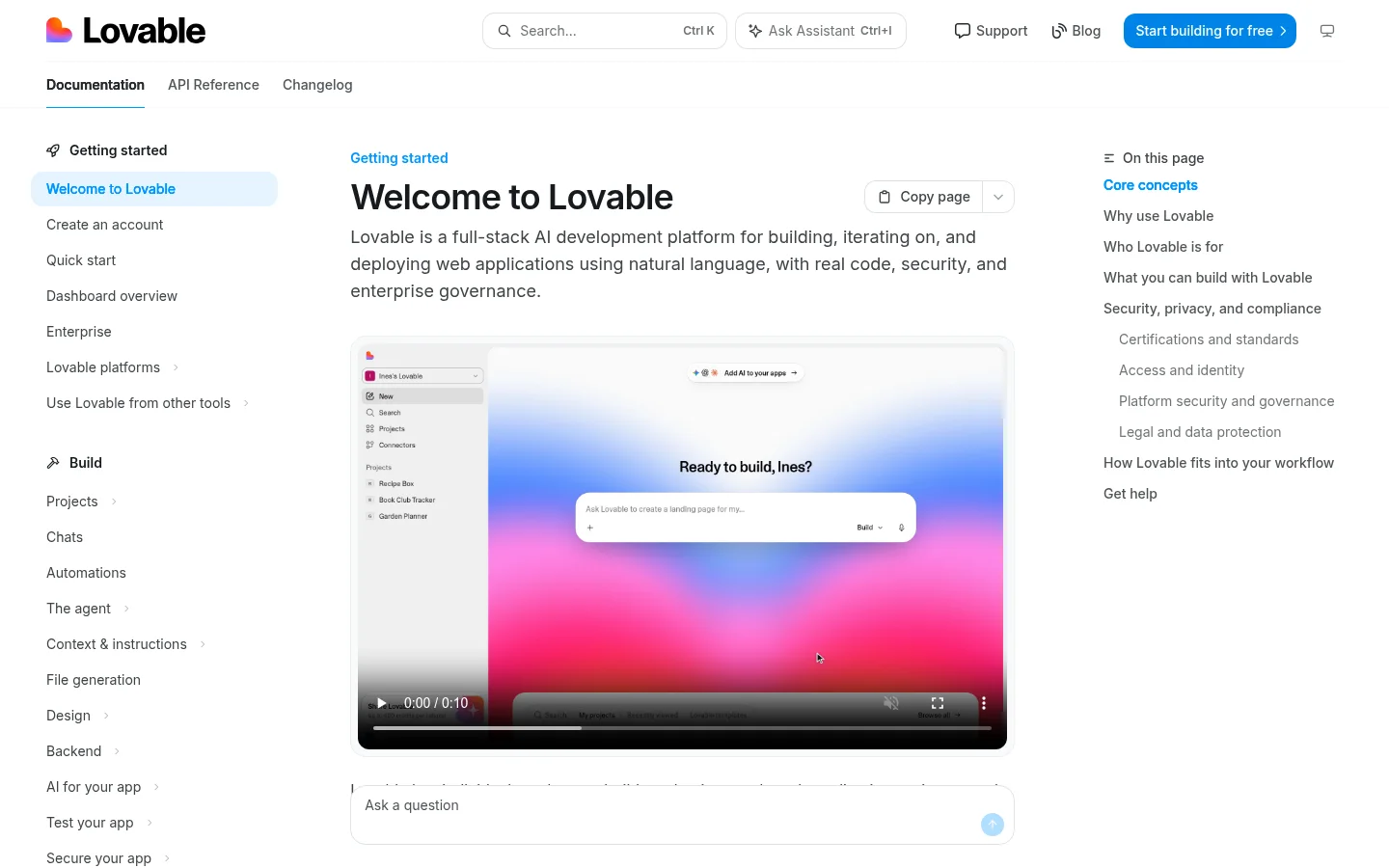
Builders win on speed. Mango Innovation says tools like Lovable and Bolt can launch a functional site in hours, while an agency typically takes 6 to 12 weeks.
But a launched site is not a finished site. The first draft is the fast part. Checking every page, rewriting the generic copy, adding real photos and testing the forms is where the days go. Be honest about whether you will actually do that work.
Speed matters most when you have nothing online and need something this week. A plain page with your phone number and services beats no page. Speed matters less if you are replacing a site that already brings in leads, because a rushed swap can cost you rankings and enquiries.
SEO and conversion control: who owns forms, CTAs and follow-up
This is where the two options pull apart. A site wins customers through four things: pages that match what people search for, a clear call to action on each page, a form that works, and a fast follow-up. A builder hands you templates for the first three and nothing for the fourth.
Ask these questions of any route you take:
- Can I edit page titles, meta descriptions, headings and URLs?
- Does each service page target a specific search, or is everything on one page?
- Where does a form submission go, and who gets alerted?
- Does the enquiry reach my CRM, calendar or inbox without me copying it across?
- What happens in the first five minutes after someone fills in the form?
The last two decide whether the site makes money. A form that lands in an inbox nobody checks is a leak. Our guide to a sales funnel for small business covers how to build the path from visit to booked call. If you want enquiries to reach your CRM and trigger replies automatically, that is AI systems and automation work, and it is what separates a brochure from a lead machine.
SEO is similar. A builder will give you a tidy page. It will not plan your keyword structure or write the content that ranks. That is ongoing growth marketing, not a one-off setup.
Who covers the four things a site needs to win customers
AI website builder
- Templates for pages that match searches
- Templates for calls to action and forms
- Nothing for the fast follow-up
Web design agency
- Pages planned for what people search for
- Forms and tools connected so enquiries go somewhere useful
- A team that answers for the result
Ask who owns each of the four before you choose a route.
Who fixes things when they break: accountability after launch
Something will break. A plugin update, a form that stops sending, a page that loads slowly on mobile, a domain that lapses. With a builder, the support is the platform's help centre and your own patience. With an agency, it is a named team and, ideally, an agreed response time.
Legal and ownership questions sit here too, and they are often skipped. Before you commit to either route, check:
- Who owns the site, the copy and the images, and can you export them if you leave?
- Is the domain registered in your name?
- Where do the images and text come from, and are they licensed for commercial use?
- Who is responsible for accessibility and data protection on the forms?
If you collect customer data through a site, the compliance duty is yours either way. Read the platform's terms or the agency contract before you sign, and get the answers in writing. For the wider question of who is liable when automated tools get things wrong, see AI agent liability in the UK.
Keeping hours, offers and details current
The quietest failure is stale information. Marketers Media notes that hours, services, team members and offers change, and a website with outdated information can frustrate customers even when its design looks modern.
Give one person ownership of a monthly check: opening hours, prices, offers, team page, phone number and any holiday notices. Put it in the calendar. Whoever builds your site, keep the edit path simple enough that a non-technical person can update it in five minutes.
Get these answers in writing before you choose
Decision rule: when a builder fits a brochure site and when to hire
Start with the job of the site. Casa Media says a builder is the right choice when your budget is small and your website isn't a main source of sales, and an agency is the right choice when your site has to win customers and stand out. The Side Studio frames it the same way: a builder is enough while you validate an idea, and you hire a studio once the site must win paying customers.
Here is our version as a simple rule:
| Your situation | Better fit |
|---|---|
| Brochure site: who you are, what you do, how to call you | AI website builder |
| Content rarely changes | AI website builder |
| Leads come from referrals, not search | AI website builder |
| Testing a new idea before spending | AI website builder |
| Leads, forms or bookings drive revenue | Agency or freelancer |
| You need to rank for several services or areas | Agency |
| Enquiries must reach your CRM and trigger follow-up | Agency |
| You have no spare hours for upkeep | Agency |
If you tick mostly the top half, use a builder and do not feel guilty about it. If you tick the bottom half, the site is part of your sales process, and it needs a build connected to your tools. Our websites, apps and software service is built for that second case, at a fixed price agreed before we start.
If the money is the sticking point, you do not have to choose the biggest option. Start with a builder for a simple page, then move to a connected build once the site starts earning.
Common questions about AI website builders and agencies
The questions owners ask most are answered in the FAQs below. The short version: builders are good at fast, simple pages, they cost little per month but take your time, and they stop short of the wiring that turns visitors into customers.
Where to start
- Write down the one job your site must do: be found, take bookings, collect leads or just prove you exist.
- Count how many hours a month you can give to upkeep. Be honest.
- List the tools the site must talk to: CRM, calendar, email, payments.
- Check what you already own: domain, logins, brand assets, photos.
- Pick a route using the table above, and get written answers on ownership and support before paying anyone.
If you want a second opinion on which route fits, you can get a free AI plan from us, or book a call and we will tell you straight whether a builder will do or whether your site needs a proper build.
Sources
- AI Website Builder vs Web Design Agency: How to Choose
- AI Website Builders vs. Hiring a Web Design Agency
- AI Website Builder vs Web Design Agency: Honest Guide
- AI Website Builder vs. Agency: Which to Choose | Casa Media
- AI website builder vs. done-for-you website design: what's better for small businesses in 2026?
- AI Website Builder vs Hiring an Agency: Which Is Right?
See it in practice

Built by Pensact
Carmen Professional · A custom Shopify store for a professional nails and lashes brand: gel polish, builder gels and lash ranges, with free delivery over 20 KWD.
Questions people ask
Are AI website builders good?
They are good at producing a presentable template site fast, often in hours. They are weaker on custom copy, SEO structure and connecting forms to your other tools, which is where most of the owner's time ends up going.
How much does an AI website builder cost per month?
One comparison guide puts builders at €20 to €100 a month, and another gives a wider range of $0 to $500 a month. Add your own time for setup, copy, forms and upkeep, because that is the larger cost.
Is an AI website builder good enough for a small business?
Yes, if the site is a brochure that rarely changes and does not drive most of your sales. If leads, forms or bookings are how you earn, you will probably outgrow it and need a build that connects to your tools.
When should I pay an agency to build my website?
Pay when the site has to win paying customers: you need to rank for several services, route enquiries into a CRM, or have no time to maintain it. A freelancer is a middle option if your budget is tight.
Can ChatGPT actually create a website?
It can write the code and copy for a simple site. You still have to host it, set up the domain, test it on mobile, connect forms and fix errors, so it suits people who are comfortable doing that work.
Keep reading
When to rebuild a website: a five-point test for small business owners
Knowing when to rebuild a website saves money in both directions. Five checks you can run in an afternoon will tell you whether to refresh or rebuild.
Noah Hany · 26 Nov 2026
How to choose a web design agency UK owners can trust
The questions to ask on a first call, who should own your code and domain, and a scoring sheet to compare three agencies fairly.
Noah Hany · 9 Nov 2026
App development cost UAE: what a small business should expect
What a UAE app build involves, the six stages that drive cost, and how to compare quotes that rarely list the same things.
Noah Hany · 6 Nov 2026